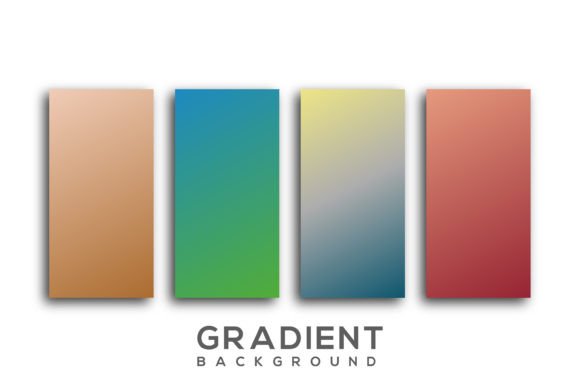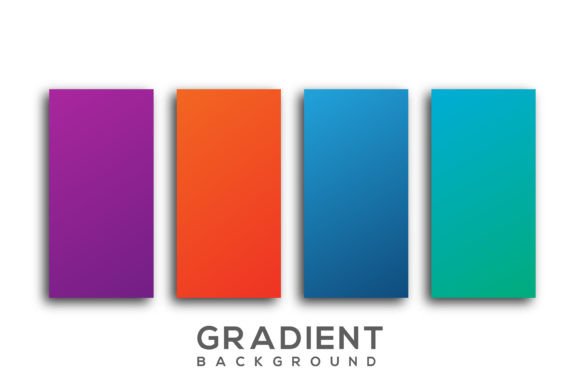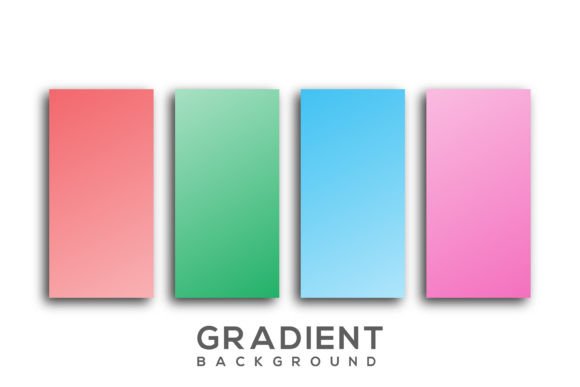
Gradient Vector Background: A Versatile Design Tool for Creative Projects
Gradient vector backgrounds have become a staple in modern design, offering a blend of visual appeal and technical flexibility. Whether you're a graphic designer, a web developer, or a business owner looking to enhance your brand's visual identity, understanding the value of gradient vector backgrounds can significantly elevate your work. These backgrounds are not just aesthetically pleasing; they also provide practical benefits that make them ideal for a wide range of applications.
What Is a Gradient Vector Background?
A gradient vector background is a digital design element created using vector graphics, which means it is composed of points, lines, and curves rather than pixels. This format allows for smooth transitions between colors, resulting in a gradient effect that can be as simple or complex as needed. Unlike raster images, which lose quality when scaled, vector backgrounds remain crisp and clear at any size, making them highly versatile.
These backgrounds often feature abstract shapes, geometric patterns, or fluid color shifts that create a sense of depth and movement. They can be used as standalone visuals or as part of larger design projects, such as logos, website layouts, or print materials.
Key Features of Gradient Vector Backgrounds
- Editable Colors: One of the most significant advantages of gradient vector backgrounds is the ability to customize the color palette. Designers can adjust hues, saturation, and brightness to match specific branding guidelines or aesthetic preferences.
- Scalable and High Quality: Since they are based on vectors, these backgrounds can be resized without losing clarity. This makes them suitable for both digital and print use, ensuring consistent quality across different mediums.
- Print Ready: Many gradient vector backgrounds are designed with print specifications in mind, including high resolution (3000×2000 pixels at 300 DPI) and CMYK or RGB color modes. This ensures that they look sharp and vibrant when printed on paper, fabric, or other materials.
- Full Vectors: As full vector files, these backgrounds can be edited in software like Adobe Illustrator or CorelDRAW. This level of control allows designers to modify individual elements, add layers, or integrate the background into existing designs seamlessly.
Where Can You Use Gradient Vector Backgrounds?
Gradient vector backgrounds are incredibly versatile and can be applied in various creative fields. Here are some common use cases:
- Web Design: Websites often use gradient backgrounds to create visually engaging interfaces. These backgrounds can serve as a backdrop for text, buttons, or other interactive elements, adding depth and sophistication to the overall layout.
- Print Materials: From business cards to banners, gradient vector backgrounds can be used in print media. Their scalability and high resolution ensure that they maintain their quality regardless of the size or format.
- Branding and Marketing: Businesses can use gradient backgrounds to create cohesive visual identities. These backgrounds can be incorporated into logos, social media posts, or promotional materials to reinforce brand recognition.
- Art and Illustration: Artists and illustrators often use gradient vector backgrounds as a base for their work. The smooth transitions and customizable colors allow for unique and dynamic compositions.
Benefits for Different Users
Gradient vector backgrounds offer distinct advantages for various types of users:
- Professionals: Graphic designers and developers can benefit from the flexibility and precision of vector-based gradients. These backgrounds allow for easy adjustments and integration into larger projects.
- Business Owners: Entrepreneurs and small business owners can use gradient backgrounds to create professional-looking marketing materials without the need for expensive design services.
- Creators: Artists, photographers, and content creators can leverage these backgrounds to enhance their work and stand out in competitive markets.
- Online Users: Individuals looking for high-quality digital assets can download and use gradient vector backgrounds for personal or commercial projects, provided they adhere to licensing agreements.
Considerations and Limitations
While gradient vector backgrounds are powerful tools, there are some considerations to keep in mind:
- File Formats: Gradient vector backgrounds are typically available in .EPS or .JPEG formats. .EPS files are ideal for editing, while .JPEG files are more suitable for quick previews or web use.
- Software Requirements: To fully utilize the features of a gradient vector background, you may need design software that supports vector editing, such as Adobe Illustrator or Inkscape.
- Licensing: Always check the licensing terms before using a gradient vector background for commercial purposes. Some files may require attribution or have restrictions on redistribution.
Real-World Applications
Here are a few examples of how gradient vector backgrounds can be used in practice:
- Website Mockups: Designers can use gradient backgrounds to create realistic mockups of websites, helping clients visualize the final product before development begins.
- Mobile App Interfaces: Gradient backgrounds can enhance the user experience by providing a visually appealing and cohesive interface for mobile applications.
- Event Promotions: Event planners can use gradient backgrounds for posters, flyers, or digital ads to attract attention and convey a sense of excitement.
- Product Packaging: Brands can incorporate gradient backgrounds into product packaging designs, creating a modern and eye-catching appearance that stands out on store shelves.
How to Choose the Right Gradient Vector Background
Selecting the right gradient vector background depends on your specific needs and goals. Consider the following factors:
- Color Scheme: Choose a gradient that complements your brand colors or the overall theme of your project. Popular color combinations include blue and purple, red and orange, or green and yellow.
- Style: Decide whether you want a minimalist, abstract, or geometric style. Each style offers a different visual impact and can influence the tone of your design.
- Resolution and Format: Ensure that the background meets the required resolution and file format for your intended use. For print, a high-resolution .EPS file is usually the best choice.
- Customization Options: Look for backgrounds that allow for easy customization, such as editable colors or scalable elements, to ensure flexibility in your design process.
Conclusion
Gradient vector backgrounds are a valuable asset for anyone involved in design, branding, or digital creation. Their combination of aesthetic appeal and technical versatility makes them suitable for a wide range of applications. By understanding the features, benefits, and considerations of these backgrounds, you can make informed decisions that enhance your creative projects and meet your specific needs.