Blue and Yellow Dynamic Background: A Modern Design Solution for Creative Workflows
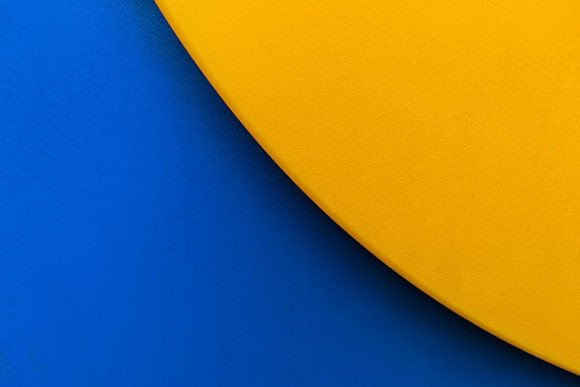
The Blue and Yellow Dynamic Background is a versatile design element that combines vibrant color contrasts with fluid motion and geometric forms. This type of background is ideal for digital projects, presentations, marketing materials, and creative concepts where visual impact and modern aesthetics are essential. Its dynamic nature allows it to adapt across various platforms and formats, making it a valuable asset in both personal and professional workflows.
Understanding the Blue and Yellow Dynamic Background
A Blue and Yellow Dynamic Background typically features a blend of bright blue and yellow hues, often layered with abstract shapes, gradients, or motion effects. These backgrounds can be static or animated, depending on the intended use. They are commonly used in graphic design, web development, and digital art to create engaging visuals that draw attention and convey energy.
This style of background works well in environments where a sense of movement or innovation is desired. It can serve as a backdrop for banners, posters, social media posts, or website headers. The combination of blue and yellow is particularly effective because it balances calmness (blue) with vibrancy (yellow), creating a visually appealing contrast that captures the viewer’s eye.
Integration into Creative Projects
When working on a design project, the Blue and Yellow Dynamic Background can be integrated at multiple stages. Before starting a project, it can serve as a source of inspiration, helping to establish a visual direction or mood. During the execution phase, it can act as a base layer that complements other design elements such as text, icons, or illustrations.
After the initial design is complete, the background can be adjusted or refined to ensure it aligns with the overall aesthetic. For example, if a designer is creating a promotional flyer, they might use a Blue and Yellow Dynamic Background as the foundation, then overlay text and graphics to create a cohesive layout. This approach helps maintain visual consistency while allowing for creative flexibility.
Use Cases Across Different Industries
The Blue and Yellow Dynamic Background is not limited to a single industry. It can be used in fashion, advertising, technology, and even educational materials. In the fashion sector, it might appear in digital lookbooks or social media campaigns to highlight new collections. In advertising, it can be part of a campaign’s visual identity, reinforcing brand messaging through bold and energetic visuals.
In the tech industry, this background can be used in app interfaces, website designs, or product mockups to convey innovation and modernity. For educators or content creators, it can serve as a backdrop for presentations, e-learning modules, or online courses, adding a fresh and engaging visual element to the material.
Practical Implementation Tips
To effectively use a Blue and Yellow Dynamic Background, consider the following tips:
- Balance Contrast: Ensure the colors do not clash by adjusting saturation levels or using complementary shades. A high-contrast background may be overwhelming, so test different variations to find the right balance.
- Test on Multiple Devices: Since the background will be viewed on various screens, check how it looks on desktops, tablets, and mobile devices. Adjust resolution and file size accordingly to maintain quality without compromising performance.
- Combine with Simpler Elements: If the background is complex, pair it with minimalistic text or icons to avoid visual clutter. This approach keeps the focus on the main message while still leveraging the background’s visual appeal.
- Use Vector Formats: For scalable designs, opt for vector-based files (such as SVG or AI) to ensure the background remains sharp at any size. This is especially important for print or large-format applications.
Workflow Examples and Best Practices
For a marketing team launching a summer campaign, the Blue and Yellow Dynamic Background could be used as a central visual element. The team might start by selecting a background that reflects the theme of energy and positivity. They could then integrate it into social media posts, email newsletters, and landing pages, ensuring a consistent look across all channels.
In a design agency, the background could be part of a client’s brand identity. The designers might use it in presentations to showcase creative concepts, helping the client visualize the final product. By incorporating the background early in the process, the team can build a stronger narrative around the design, making it easier for the client to understand and approve the work.
For individual creators, such as bloggers or YouTubers, the Blue and Yellow Dynamic Background can be used as a video thumbnail or profile picture. This adds a professional touch to their content while aligning with current design trends. It also helps differentiate their brand from others, making it more memorable to audiences.
Factors to Consider for Long-Term Use
When planning to use a Blue and Yellow Dynamic Background over an extended period, consider factors like compatibility, scalability, and maintenance. Ensure that the background works well with different design tools and software, such as Adobe Photoshop, Illustrator, or Figma. This compatibility makes it easier to edit and update the background as needed.
Scalability is another important factor. If the background is intended for both digital and print use, verify that it maintains quality when resized. Additionally, consider how frequently the background will be updated. If it’s part of a long-term project, plan for periodic reviews to ensure it remains relevant and effective.
Consistency is key when using the background across multiple assets. Whether it’s a website, app, or printed material, maintaining a uniform look helps reinforce brand recognition. This includes matching color codes, typography, and spacing to ensure a cohesive visual language.
Conclusion: Embracing the Power of Color and Motion
The Blue and Yellow Dynamic Background offers a powerful way to enhance visual communication in a variety of contexts. Its ability to combine color, motion, and abstract design makes it a flexible tool for professionals and creatives alike. By integrating it thoughtfully into workflows, users can elevate their projects, improve engagement, and create a lasting impression on their audience.