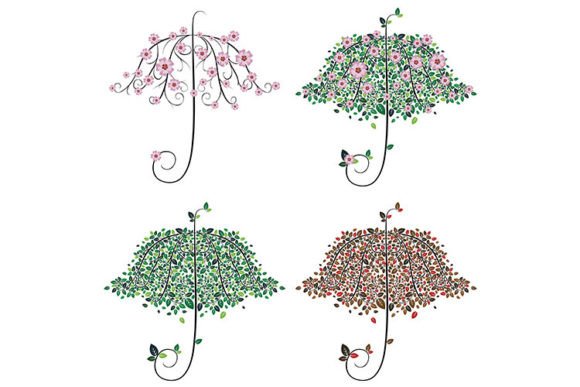
Umbrella Shape Tree: A Unique Design Statement
The Umbrella Shape Tree is more than just a decorative element; it's a bold visual choice that can elevate any design project. With its distinct silhouette and colorful leaves, this tree shape offers a fresh perspective on traditional typography and graphic design. Whether used in logo creation, editorial layouts, or digital illustrations, the Umbrella Shape Tree brings a whimsical yet sophisticated touch to your work.
Visually, the Umbrella Shape Tree combines organic form with structured design. Its canopy spreads wide, resembling an umbrella, while the leaves add a vibrant, eye-catching detail. This combination makes it ideal for projects that aim to stand out without sacrificing elegance. The tree’s personality is playful yet professional, making it versatile across different creative contexts.
Where the Umbrella Shape Tree Shines
The Umbrella Shape Tree excels in a variety of design applications. For designers, it serves as a powerful tool for branding and identity work. Its unique shape can be incorporated into logos, packaging, and promotional materials to create a memorable visual presence. In editorial design, the tree can act as a focal point in magazine spreads, book covers, or website headers, adding a sense of whimsy and creativity.
In digital spaces, the Umbrella Shape Tree works well in social media graphics, web banners, and app interfaces. Its bold form ensures visibility even at smaller sizes, making it suitable for both large-scale and compact designs. For print projects, the tree’s detailed structure translates well into high-resolution images, offering clarity and depth in brochures, posters, and signage.
Entrepreneurs and small business owners can leverage the Umbrella Shape Tree to differentiate their brand. Whether used in product packaging, marketing collateral, or storefront displays, the tree adds a distinctive visual element that captures attention and reinforces brand identity.
How the Umbrella Shape Tree Influences Design
When used effectively, the Umbrella Shape Tree can enhance readability and visual hierarchy. Its strong, defined shape makes it ideal for headings, titles, and other prominent elements where clarity is essential. However, due to its intricate details, it may not be the best choice for body text or long paragraphs. Instead, it works best as a display font that draws the eye and sets the tone for a design.
The tree’s influence extends beyond aesthetics. It can shape how audiences perceive a brand. A well-chosen font like the Umbrella Shape Tree can convey creativity, innovation, or approachability, depending on the context. Consistency in using such a font across different platforms helps build brand recognition and trust.
For designers working on multi-platform projects, the Umbrella Shape Tree offers flexibility. Its editable EPS vector files allow for easy customization, ensuring that it fits seamlessly into various design workflows. Whether you're creating a website, a print ad, or a social media post, the tree’s adaptability makes it a valuable addition to your design assets.
Choosing the Right Font for Your Project
Selecting the right font involves understanding your project’s goals and audience. If you’re aiming for a modern, clean look, the Umbrella Shape Tree might not be the best fit. However, if you’re looking to add a unique, artistic flair, this font could be exactly what you need.
Consider the context in which the font will be used. For commercial projects, ensure that the license allows for the intended use. The included high-resolution JPG images and editable EPS files provide a solid foundation for both personal and professional work. Always review the licensing terms to avoid any potential issues down the line.
Testing font pairings is also crucial. While the Umbrella Shape Tree stands out on its own, it may benefit from complementary fonts that balance its complexity. Pairing it with a simple sans-serif or serif font can create a harmonious visual flow without overwhelming the design.
Practical Tips for Using the Umbrella Shape Tree
Start by experimenting with the Umbrella Shape Tree in different sizes and placements. At larger scales, it can serve as a central design element, while at smaller sizes, it can add subtle texture or detail. Use the high-resolution images to test how the tree looks in various formats, from digital screens to printed materials.
For those new to working with custom fonts, the editable EPS files offer a great opportunity to explore different variations. You can adjust colors, shapes, and proportions to match your specific needs. This level of control ensures that the Umbrella Shape Tree remains relevant and effective across a wide range of projects.
Remember, the goal is to enhance your design, not overshadow it. Use the Umbrella Shape Tree strategically, and let it complement the overall message and aesthetic of your work. By doing so, you’ll create a more engaging and visually appealing experience for your audience.