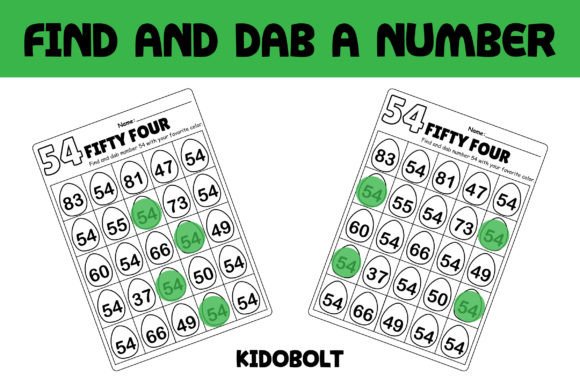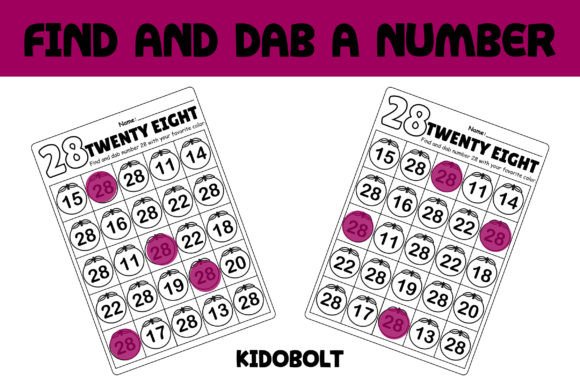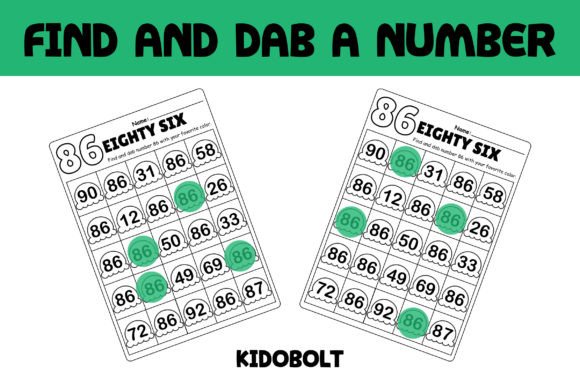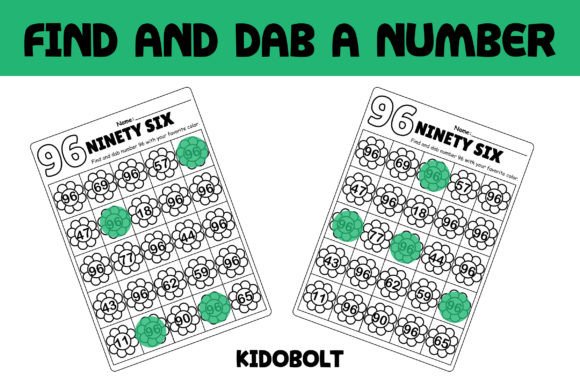
PreK Dab a Dot Number Worksheet - 35: A Practical Tool for Early Number Learning
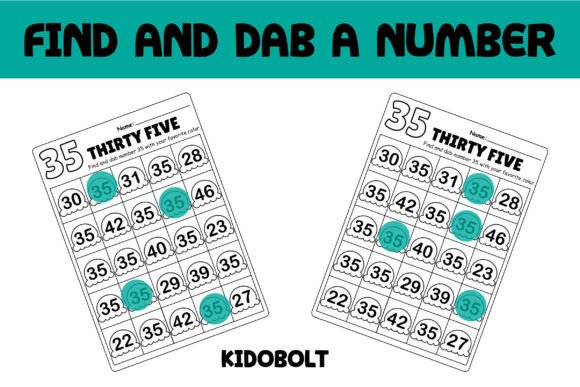
The PreK Dab a Dot Number Worksheet - 35 is a printable educational resource designed to help young children develop number recognition skills. Featuring a simple, engaging format, this worksheet uses the popular dab a dot activity to make learning numbers more interactive and fun for preschoolers and kindergartners. The worksheet is available in JPG format with a 300 DPI resolution, ensuring high-quality printing for classroom or home use.
What Makes This Worksheet Unique?
Unlike traditional number worksheets that rely solely on writing or tracing, the PreK Dab a Dot Number Worksheet - 35 incorporates a tactile element that appeals to young learners. Children use a dabber, dry-erase marker, or other tools to mark the correct number, making the activity more hands-on and memorable. This approach can be especially beneficial for kids who struggle with number identification and need repeated practice in a playful setting.
The worksheet focuses on numbers up to 35, offering a structured way to build number sense gradually. Each worksheet typically includes a set of numbers with corresponding images or dots that children can dab. This visual reinforcement helps reinforce number recognition through repetition and sensory engagement.
How Does It Compare to Other Resources?
When compared to similar products like number tracing worksheets or flashcards, the PreK Dab a Dot Number Worksheet - 35 offers a different kind of engagement. While tracing worksheets focus on motor skills and letter formation, the dab a dot activity emphasizes recognition and quick recall. This makes it ideal for children who benefit from visual and kinesthetic learning styles.
Other alternatives, such as digital apps or interactive games, may offer immediate feedback and adaptive difficulty levels. However, the PreK Dab a Dot worksheet provides a low-tech, screen-free option that can be used anywhere without the need for devices. It also allows for creative variations, such as using stickers, buttons, or pompoms instead of traditional dabbers, which can add an extra layer of fun and customization.
Strengths and Best-Fit Situations
The PreK Dab a Dot Number Worksheet - 35 excels in situations where hands-on learning is preferred. It is particularly useful in early childhood classrooms or at-home learning environments where teachers or parents want to introduce numbers in a non-threatening, engaging way. Its simplicity makes it accessible for children with varying abilities, including those who may need more repetition or sensory input to grasp number concepts.
This worksheet is also a great tool for assessing a child’s current understanding of numbers. Educators can use it at the start of the school year to identify what students already know and where they may need additional support. It serves as both a teaching aid and a diagnostic tool, making it a versatile resource for educators and caregivers.
Limitations and Tradeoffs
One limitation of the PreK Dab a Dot Number Worksheet - 35 is its narrow focus on number recognition. While it is excellent for reinforcing number identification, it does not include activities that teach counting, sequencing, or basic arithmetic. For a more comprehensive math curriculum, this worksheet would need to be paired with other resources that cover a broader range of skills.
Another tradeoff is the need for physical materials. Unlike digital resources, this worksheet requires access to dabbers, markers, or other tools. This can be a challenge in settings where supplies are limited or when working with large groups of students. However, many alternatives—such as using stamps or stickers—can mitigate this issue while still maintaining the interactive aspect of the activity.
When Is This the Right Choice?
The PreK Dab a Dot Number Worksheet - 35 is the right choice for educators and parents looking for a simple, engaging way to introduce or reinforce number recognition. It is especially suitable for children who enjoy hands-on activities and may find traditional worksheets less appealing. The worksheet’s design supports multisensory learning, making it a good fit for children with different learning preferences.
It is also a practical option for those who want to incorporate variety into their teaching methods. By allowing for different tools and materials, the worksheet encourages creativity and adaptability. This flexibility can be beneficial in both structured and informal learning environments.
Alternatives and Complementary Tools
If the focus is on developing a wider range of math skills, alternative resources such as number sequencing cards, counting books, or interactive math games may be more appropriate. These tools can complement the PreK Dab a Dot worksheet by providing additional opportunities for practice and exploration.
For children who prefer digital interaction, there are numerous apps and online platforms that offer similar number recognition activities. These often include features like audio cues, visual animations, and progress tracking. However, they may not provide the same level of tactile engagement as the worksheet.
Combining the PreK Dab a Dot worksheet with other resources can create a well-rounded learning experience. For example, after using the worksheet to identify numbers, a teacher might follow up with a counting game or a storybook that reinforces number concepts in a different context.
Realistic Use Cases
In a preschool classroom, the PreK Dab a Dot Number Worksheet - 35 could be used during a daily number of the day activity. Teachers might select a specific number each day and have students use the worksheet to identify and mark it. This routine helps build consistency and reinforces number recognition over time.
At home, parents can use the worksheet as a fun learning activity during quiet time or as part of a homeschooling curriculum. It can be incorporated into a larger set of math activities, helping children transition from recognizing numbers to understanding their quantities and relationships.
For educators looking to assess student knowledge at the beginning of the school year, the worksheet can serve as a quick, low-pressure way to gauge a child’s familiarity with numbers. It provides a snapshot of what students already know, allowing teachers to tailor their instruction accordingly.
Conclusion
The PreK Dab a Dot Number Worksheet - 35 is a valuable resource for early childhood education, offering a fun and effective way to build number recognition skills. Its interactive format engages young learners and supports a variety of learning styles. While it has limitations in terms of scope, it remains a practical and adaptable tool for educators and parents seeking to enhance their teaching strategies.