PreK Dab a Dot Number Worksheet - 20
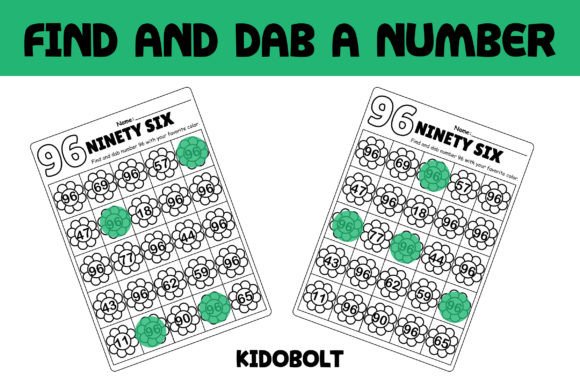
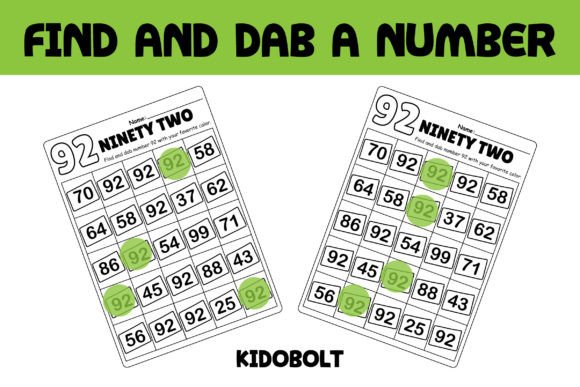
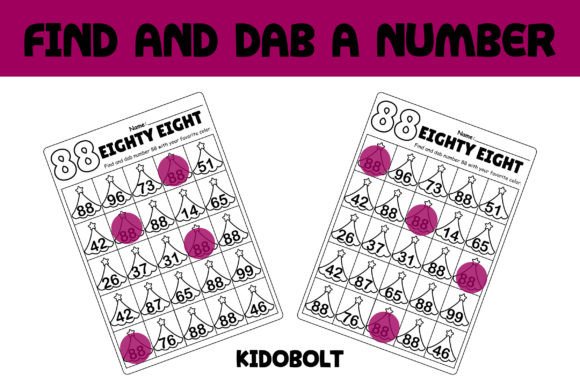
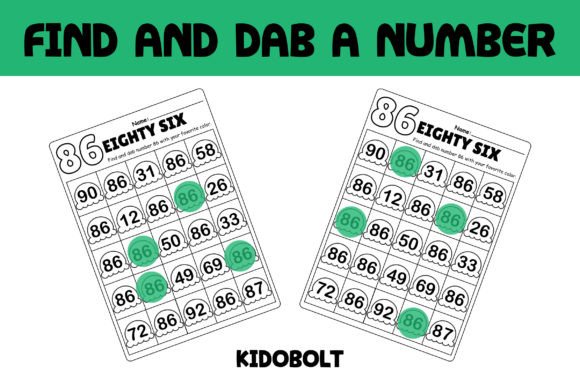
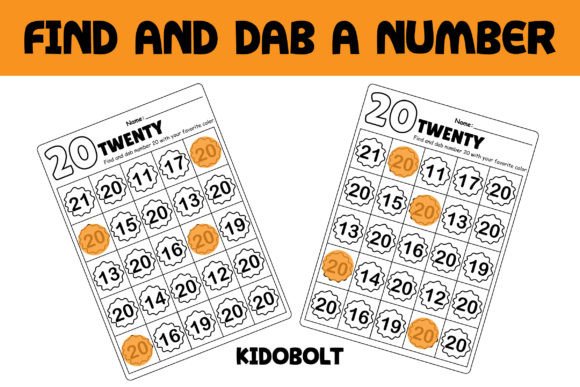
If you're looking for a fun and engaging way to help young learners recognize numbers, the PreK Dab a Dot Number Worksheet - 20 is a great tool to consider. Designed for preschoolers and kindergartners, this printable activity uses a simple concept—dabbing numbers with a marker or other materials—to reinforce number recognition in a playful setting.
The worksheet comes in a JPG format with a 300 DPI resolution, making it suitable for high-quality printing. It's part of a larger collection of dabble activities that focus on learning numbers through tactile engagement. Many children find the act of using a dabber exciting, which makes this worksheet an effective teaching aid.
Teachers and parents often use these worksheets at the start of the school year to assess what children already know about numbers. By having kids identify and mark numbers up to 20, educators can get a sense of where each student stands in their number recognition journey. This helps in tailoring instruction to meet individual needs.
For students who struggle with remembering or identifying numbers, the PreK Dab a Dot Number Worksheet - 20 offers repeated exposure in a low-pressure environment. The act of dabbing the correct number reinforces visual and motor memory, helping kids retain information more effectively. It's also a great way to introduce number patterns and sequences in a hands-on way.
In a classroom setting, teachers can use this worksheet as part of a daily number of the day activity. Students can work individually or in small groups, which encourages collaboration and peer learning. For home use, parents can incorporate the worksheet into morning routines or after-school learning sessions. It’s a versatile resource that fits well into both structured and informal learning environments.
One of the benefits of this worksheet is its flexibility. While the traditional method involves using a dabber, there are many alternatives that can make the activity even more engaging. Teachers and parents can try using decorative stamps, dry-erase markers, pompoms, buttons, or stickers. These variations keep the activity fresh and exciting, especially for children who may lose interest in repetitive tasks.
Another practical application of the PreK Dab a Dot Number Worksheet - 20 is in developing fine motor skills. The act of dabbing requires hand-eye coordination and control, which are essential for writing and other early learning tasks. As children practice marking numbers, they’re also building the muscle strength and precision needed for future academic success.
When choosing this worksheet, it's important to consider the age and skill level of the child. While it's designed for preschoolers and kindergartners, some children may need additional support or simpler versions of the activity. Educators and parents should also think about how to integrate the worksheet into a broader curriculum. Pairing it with counting games, number songs, or manipulatives can enhance learning outcomes.
There are also practical considerations when using the worksheet. Printing quality matters, so ensuring the image is clear and easy to read is crucial. Teachers may want to print multiple copies for classroom use, while parents might prefer laminating the worksheet for reuse. Keeping track of student progress is another factor—some educators use a checklist or digital tracker to monitor improvements over time.
For those interested in sharing their experiences, the worksheet encourages users to post photos of their projects online. This not only creates a sense of community but also provides inspiration for others. Seeing real-life examples of how the worksheet is used can help educators and parents come up with new ideas for incorporating it into their teaching or parenting strategies.
The PreK Dab a Dot Number Worksheet - 20 is more than just a printable activity—it's a tool that supports early math development in a fun and interactive way. Whether used in a classroom, at home, or during summer learning, it offers a valuable way for children to build confidence with numbers. Its simplicity, versatility, and focus on engagement make it a popular choice among educators and caregivers alike.
By focusing on real-world applications and practical use cases, the worksheet proves to be a useful resource for anyone working with young learners. From assessing knowledge at the start of the school year to reinforcing number recognition through play, it serves a variety of purposes. With a little creativity, it can become a staple in any early childhood education toolkit.