Exploring the Beauty and Utility of Watercolor Backgrounds
Watercolor backgrounds have become a popular choice in both digital and print design due to their unique aesthetic and versatility. Whether you're a graphic designer, an artist, or someone looking to add a creative touch to your projects, understanding the value of watercolor backgrounds can open up new possibilities for your work. This article explores what watercolor backgrounds are, how they can be used, and why they are a valuable asset in various design contexts.
What Are Watercolor Backgrounds?
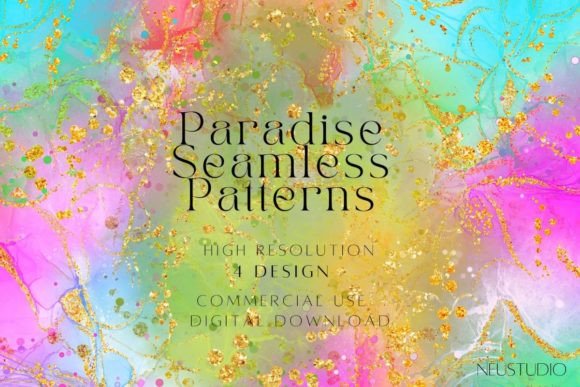
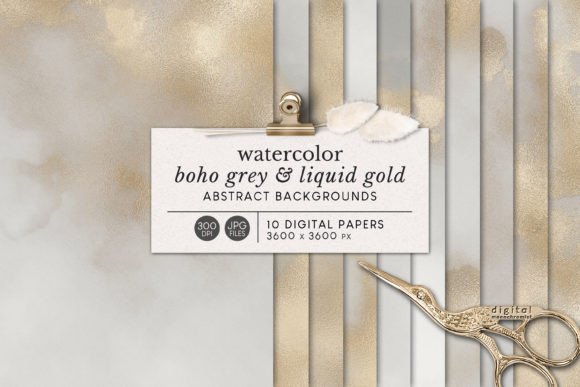
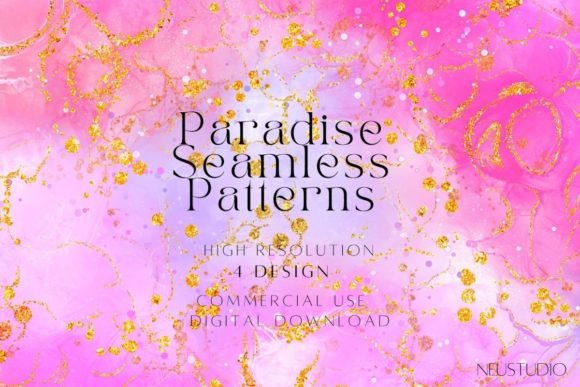
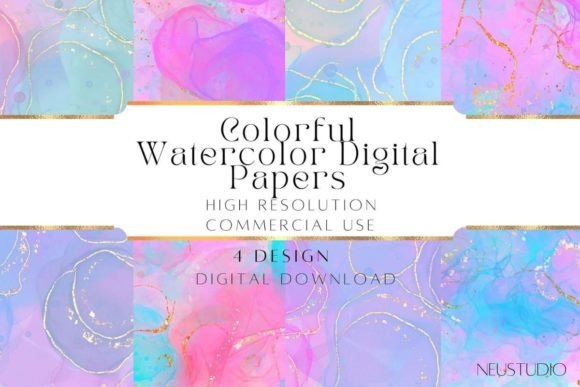
A watercolor background is a design element that mimics the soft, flowing texture of traditional watercolor painting. These backgrounds often feature gentle gradients, subtle brushstrokes, and a range of vibrant or muted colors. They can be created digitally using software like Adobe Photoshop or Illustrator, or they can be scanned from actual watercolor paintings.
Watercolor backgrounds come in different resolutions, such as 8000 x 8000 pixels or 4000 x 4000 pixels, with varying dpi (dots per inch) settings like 400 dpi or 300 dpi. The resolution and dpi determine the quality and clarity of the image when printed or displayed on screens.
The Purpose and Significance of Watercolor Backgrounds
Watercolor backgrounds serve multiple purposes in design. They can add a sense of creativity, warmth, and artistic flair to any project. Their soft textures and color variations make them ideal for creating visually appealing designs that stand out from more rigid, modern styles.
One of the main reasons designers use watercolor backgrounds is to create a visual contrast against other elements. For example, a watercolor backdrop can make text or logos appear more prominent, especially when used in print materials like invitations, flyers, or posters.
Practical Applications of Watercolor Backgrounds
- Print Materials: Watercolor backgrounds are commonly used in print design for items such as wedding invitations, business cards, and brochures. Their organic feel adds a personal and artistic touch.
- Digital Art: Artists often use watercolor backgrounds as a base for digital paintings or illustrations. This allows them to build upon the texture and colors to create unique artwork.
- Website Design: A watercolor background can enhance the visual appeal of a website. It can be used as a banner image or as a background for specific sections, adding depth and interest.
- Social Media: Many users apply watercolor backgrounds to their social media profiles, such as Instagram or Twitter, to create a cohesive and artistic look.
Watercolor Backgrounds in Different Design Contexts
Watercolor backgrounds are not limited to just one type of design. They can be adapted for various applications, making them a versatile tool for creators across different industries.
Textile Design Patterns
Watercolor backgrounds are often used in textile design to create patterns for fabrics, wallpaper, curtains, and home decor items. These patterns can be repeated to form intricate designs that add character to clothing, furniture, and more.
For instance, a watercolor floral pattern could be used to create a dress or a throw pillow, bringing a soft and elegant aesthetic to the final product. The same pattern might also be used in a digital project, such as a website or marketing material, to maintain a consistent visual theme.
Scrapbooking and Crafting
Watercolor backgrounds are a favorite among scrapbookers and crafters. They can be used to create stickers, page layouts, and decorative elements that add a handmade feel to projects. By combining watercolor textures with other materials like paper, ribbon, or fabric, crafters can produce personalized and beautiful creations.
Product Design Patterns
Watercolor backgrounds are also used in product design. For example, phone cases, mugs, and t-shirts can feature watercolor patterns that reflect a creative and artistic style. These designs can be tailored to match a brand's identity or to appeal to a specific audience.
Marketing Materials
In marketing, watercolor backgrounds can help capture attention and convey a brand's personality. Whether it's a poster, flyer, or advertisement, a watercolor background can make the content more engaging and memorable.
For instance, a local bakery might use a watercolor background with pastel colors and soft brushstrokes to promote its products. This creates a warm and inviting atmosphere that aligns with the brand's image.
How to Choose the Right Watercolor Background
Selecting the right watercolor background depends on the intended use and the overall design goals. Here are a few factors to consider:
- Resolution and DPI: Ensure the background has a high enough resolution for the intended use. For print, a higher DPI (like 300) is recommended, while for web use, 72 DPI may suffice.
- Color Palette: Choose a color scheme that complements the other elements in your design. Soft, muted tones may work well for a calm and professional look, while bold, vibrant colors can add energy and excitement.
- Texture and Style: Consider the level of detail and the style of the watercolor. Some backgrounds may have a more abstract feel, while others may mimic realistic brushstrokes.
Common Misconceptions About Watercolor Backgrounds
Despite their popularity, there are some common misunderstandings about watercolor backgrounds. One misconception is that they are only suitable for certain types of design. In reality, they can be used in a wide range of contexts, from formal to casual, depending on the style and application.
Another assumption is that watercolor backgrounds are difficult to work with. However, with the right tools and techniques, they can be easily integrated into digital or print projects. Many design software programs offer features that allow for seamless layering and adjustment of watercolor textures.
Conclusion
Watercolor backgrounds offer a unique blend of beauty and functionality that can enhance a variety of design projects. Whether you're working on print materials, digital art, or product design, these backgrounds provide a creative and artistic foundation that can elevate your work. By understanding their purpose, applications, and how to choose the right one, you can unlock new possibilities for your design endeavors.
As technology continues to evolve, the use of watercolor backgrounds in both digital and physical formats will likely grow. Embracing this trend can help you stay ahead in the ever-changing world of design and creativity.