Calligraphic Element for Elegant Design
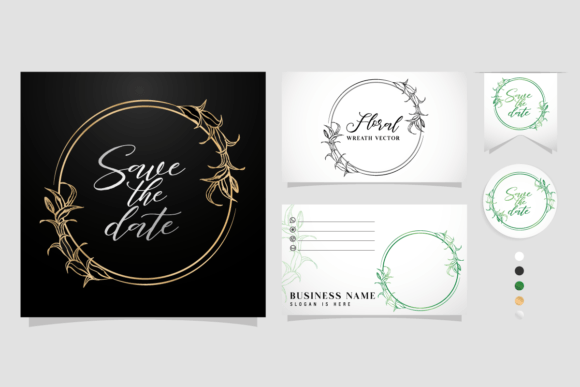
Calligraphic elements offer a refined way to elevate text and visual communication. Whether you're designing a logo, creating a marketing piece, or adding a touch of sophistication to a document, a calligraphic element in gray tones can make a significant difference. This decorative feature adds character and professionalism without overwhelming the overall design.
For professionals and creatives, the ability to incorporate a calligraphic element into their work can be invaluable. It provides a unique aesthetic that stands out while maintaining a subtle, timeless appeal. The gray tone ensures versatility, making it suitable for both digital and print applications across various surfaces.
Why Calligraphic Elements Matter
In today's visually driven world, the right design choices can set your work apart. A calligraphic element is more than just decoration—it’s a tool that enhances clarity, conveys emotion, and supports the message you want to communicate. When used effectively, it can transform ordinary text into something memorable and impactful.
Consider a business owner looking to create a professional-looking brochure. Adding a calligraphic element to headings or key phrases can draw attention and guide the reader’s eye through the content. Similarly, an educator might use it to make lesson plans or handouts more engaging, helping students stay focused and interested.
Practical Benefits of Calligraphic Elements
The practical benefits of using a calligraphic element are numerous. One of the most significant is its ability to improve presentation. Whether you’re preparing a report, a website layout, or a printed invitation, a well-chosen calligraphic element can enhance the visual hierarchy and make your content more appealing.
Another advantage is efficiency. Instead of spending time creating custom designs from scratch, you can use a pre-designed calligraphic element that fits your needs. This saves time and effort, especially when working on tight deadlines or multiple projects.
For designers and marketers, the flexibility of a calligraphic element is a major asset. With access to 300 dpi PNG, SVG, and EPS files, you can easily adapt the element to different formats and platforms. This ensures consistency across all your materials, whether they’re digital or physical.
Who Can Benefit Most
Professionals in creative fields, such as graphic designers, illustrators, and advertisers, will find a calligraphic element particularly useful. It allows them to add a personal touch to their work while maintaining a polished look. For small business owners, it offers a cost-effective way to elevate branding and marketing materials without hiring a designer.
Entrepreneurs and bloggers may also benefit from incorporating a calligraphic element into their content. It can help establish a brand identity and create a more cohesive visual style. For educators and publishers, it can make learning materials more engaging and visually appealing, supporting better comprehension and retention.
Realistic Use Cases
Imagine a wedding planner who wants to create a custom invitation. By using a calligraphic element in gray tones, they can add an elegant touch that complements the overall theme. The element can be placed at the top of the invitation, drawing attention and setting a sophisticated tone.
A freelance writer working on a book cover might use a calligraphic element to highlight the title. This not only makes the cover more attractive but also gives it a unique, artistic feel. The gray tone ensures it works well with a variety of color schemes and backgrounds.
For a marketing team launching a new product, a calligraphic element could be used in social media graphics or email newsletters. It adds a level of refinement that aligns with the brand’s image and helps capture the audience’s attention.
Limitations and Considerations
While a calligraphic element offers many advantages, it’s important to consider its limitations. It may not be suitable for every project or design style. In some cases, a more minimal or modern approach might be more effective. It’s also essential to ensure that the element doesn’t overpower the text or disrupt the readability of the content.
Users should also consider the context in which the element will be used. For example, if the design is intended for a large-scale print, the resolution and file format must be appropriate. The 300 dpi PNG, SVG, and EPS files provided offer high-quality options, but it’s still important to review the final output before printing.
Recommendations and Observations
When selecting a calligraphic element, focus on quality and versatility. Look for designs that are clean, well-proportioned, and adaptable to different sizes and layouts. A well-crafted element should enhance the overall design rather than distract from it.
Experiment with placement and styling to see what works best for your specific project. Sometimes a subtle application can have a greater impact than a bold one. Also, consider the target audience—what looks elegant to one group may not resonate with another.
Finally, don’t hesitate to explore other design options. While a calligraphic element can be a powerful tool, it’s not the only solution. Comparing different styles and elements can help you find the best fit for your needs and goals.