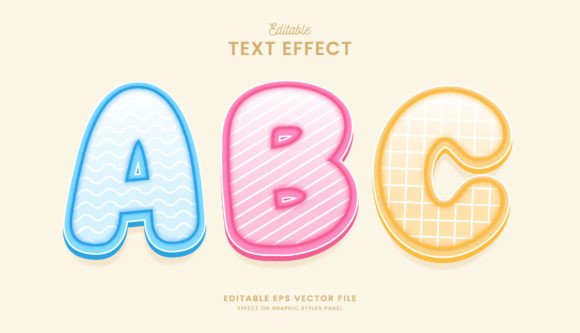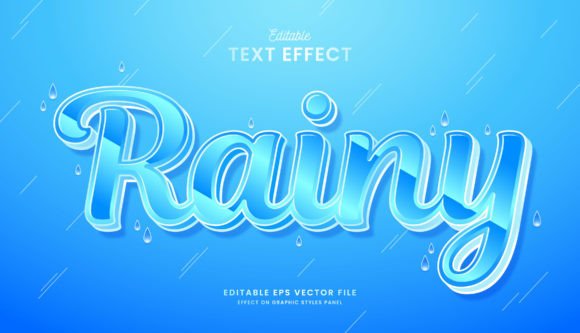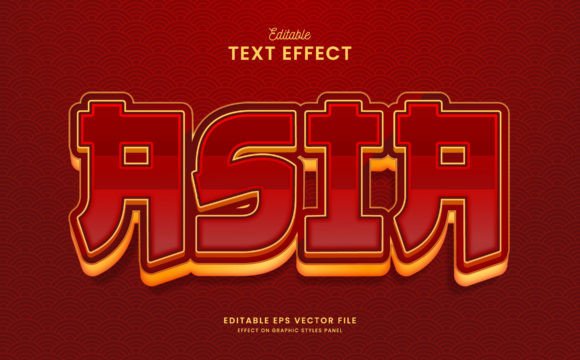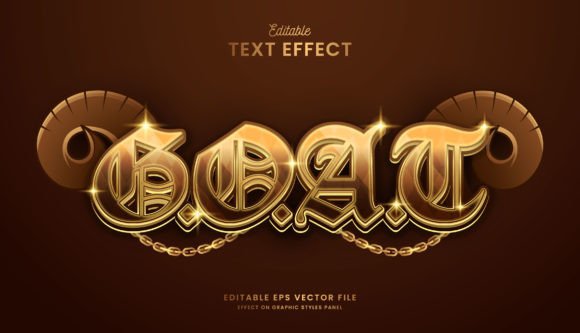
Abstract Random Color Text Effect: A Creative Design Solution
The Abstract Random Color Text Effect is a versatile and visually engaging design element that can elevate the aesthetic appeal of any project. This effect combines randomness with creativity, allowing designers to generate dynamic and eye-catching text compositions. The design is typically presented as a vector file, making it highly adaptable for various applications.
Understanding the Abstract Random Color Text Effect
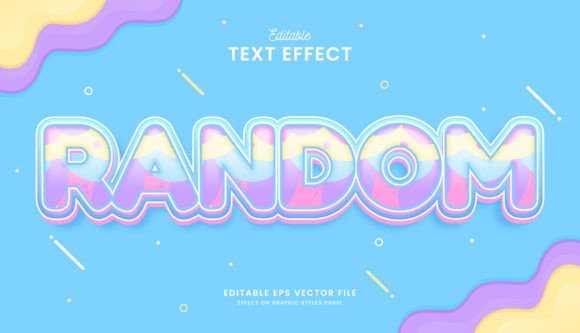
The Abstract Random Color Text Effect refers to a design approach where text is rendered using a mix of colors in an unpredictable or randomized manner. This technique can create a sense of movement, energy, and artistic expression. Unlike traditional text formatting, this effect emphasizes visual impact over readability, making it ideal for decorative or conceptual projects.
Designers often use this effect in graphic design, branding, and digital art to add a unique flair to their work. It can be particularly effective in creating attention-grabbing visuals for social media, advertisements, or creative presentations.
Why Someone Might Be Interested in This Effect
Individuals interested in graphic design, digital art, or branding may find the Abstract Random Color Text Effect appealing for several reasons. First, its visual complexity can make a strong impression, helping designs stand out in competitive environments. Second, the random nature of the color application allows for endless variations, providing flexibility in creative exploration.
Additionally, the effect can be used to convey specific moods or themes. For example, a chaotic color arrangement might evoke a sense of dynamism, while a more balanced distribution could suggest harmony. This adaptability makes it suitable for a wide range of artistic and commercial purposes.
Key Features of the Vector Design
- 100 Editable Text and Font Options: The design includes multiple text elements that can be customized, allowing users to adjust content, style, and layout according to their needs.
- Easy to Edit and Customize: The file is designed for simplicity, enabling users to modify colors, fonts, and other elements without requiring advanced technical skills.
- Compatibility with Adobe Illustrator CC or Higher: The vector format ensures high-quality scalability and compatibility with industry-standard design software.
- RGB Color Support: The use of RGB color mode provides vibrant and accurate color representation across digital platforms.
- Free Font Used: The design incorporates free fonts, reducing costs and making it accessible to a broader audience.
- File Types Included: The package contains .zip, .eps, and JPG files, offering flexibility in usage and export options.
Benefits and Considerations
One of the primary benefits of the Abstract Random Color Text Effect is its ability to enhance visual storytelling. By incorporating randomness, designers can create compositions that feel organic and spontaneous, which can be especially valuable in artistic or experimental projects. Additionally, the editable nature of the design allows for easy adjustments, ensuring that the final output aligns with specific creative goals.
However, there are also considerations to keep in mind. The randomness of the color effect may not always align with the intended message or tone of a project. In cases where clarity or professionalism is essential, a more structured design approach may be preferable. Furthermore, while the effect is visually striking, it may not be suitable for all types of content, particularly those that require high readability.
Situations Where This Effect May Be a Strong Fit
The Abstract Random Color Text Effect is well-suited for projects that prioritize visual impact over textual clarity. For instance, it can be an excellent choice for creative campaigns, digital art installations, or promotional materials that aim to capture attention quickly. Its versatility also makes it useful in branding initiatives that seek to express innovation or uniqueness.
Moreover, the design’s compatibility with Adobe Illustrator and its support for multiple file formats make it a practical option for designers working on diverse projects. Whether used for print, web, or digital media, the effect can be adapted to fit different requirements and constraints.
When Alternatives Might Be Worth Considering
While the Abstract Random Color Text Effect offers many advantages, there are scenarios where alternative design solutions may be more appropriate. For example, if the goal is to communicate information clearly, a more straightforward text format would likely be more effective. Similarly, in professional or corporate settings, a minimalist or structured design may better align with brand identity and audience expectations.
Designers should also consider the target audience when deciding whether to use this effect. While it may resonate with younger or more creative audiences, it may not be as effective for more traditional or formal contexts. Evaluating the purpose and context of the project is essential in determining the best design approach.
Practical Decision-Making Insights
When evaluating the Abstract Random Color Text Effect, it is important to assess how well it aligns with the overall goals of the project. If the primary objective is to create a visually compelling design that stands out, this effect can be a powerful tool. However, if the focus is on clarity, functionality, or broad accessibility, other design choices may be more suitable.
Additionally, considering the technical aspects of the design is crucial. The availability of editable text, font options, and compatibility with Adobe Illustrator can influence the decision-making process. Users should also take into account the ease of customization and the potential need for further modifications during the design workflow.
Ultimately, the success of the Abstract Random Color Text Effect depends on how effectively it supports the intended message and visual identity of the project. By carefully weighing its strengths and limitations, designers can make informed decisions about its use in their work.